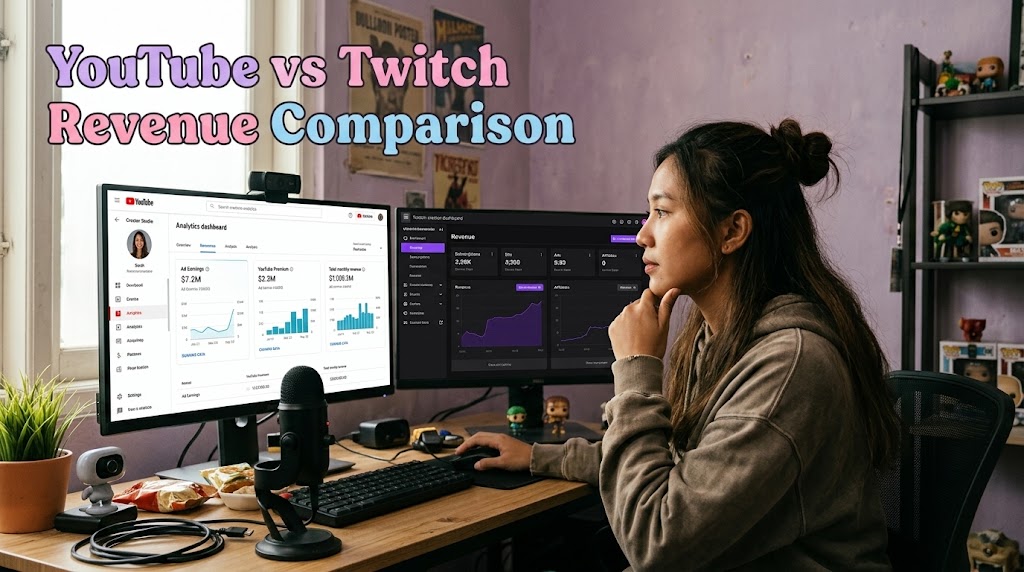
Choosing where to park a digital career can feel like betting on two horses with very different engines. The youtube vs twitch streaming debate gets messy because creators often compare headline revenue splits without asking how viewers actually generate money.
YouTube can keep sending viewers to content after a livestream ends, while Twitch is built around the value of being there together in real time. That difference matters more than a flashy percentage when you are trying to turn streaming into an actual business.
1. YouTube vs Twitch Streaming Revenue Models Compared Without the Hype

The first thing to separate is revenue structure from earning potential. YouTube currently offers several monetization routes, including Watch Page ads, channel memberships, Super Chat, Super Stickers, Super Thanks, Shopping, and YouTube Premium. YouTube states that eligible creators receive 55% of net revenue from Watch Page ads and 70% of net revenue from memberships and fan-funding features covered by its Commerce Product Module.
YouTube Builds Revenue From More Than One Stream
YouTube’s advantage is diversification. A creator can livestream, turn the best moments into edited videos, publish Shorts, earn from memberships, and continue collecting views from older content. This makes creator monetization less dependent on everyone being online at the exact same moment.
Twitch Makes Community Spending More Central
Twitch has a much stronger live-first identity. Subscriptions, gift subscriptions, Bits, and advertising are designed around a creator being present with an active community. Standard subscription revenue sharing is generally 50/50 after applicable deductions, while qualifying creators can access higher subscription splits through Twitch’s Plus Program.
The Numbers Are More Complicated Than 70/30
Twitch’s Plus Program currently offers 60/40 at Level 1 and 70/30 at Level 2 for qualifying Affiliates and Partners, based on recurring subscription performance. Level 1 requires at least 100 Plus Points for three consecutive months, while Level 2 requires 300.
YouTube’s 70% fan-funding figure also refers to net revenue, not simply 70% of whatever a viewer pays. Taxes, fees, refunds, local pricing, and individual agreements can change what ultimately reaches the creator.
| Monetization factor | YouTube | Twitch |
| Watch Page ads | 55% of net revenue | Available |
| Fan funding | 70% of net revenue | Bits and subscriptions |
| Standard subscription split | 70% for memberships | Generally 50/50 |
| Higher subscription tier | Not the same model | 60/40 or 70/30 through Plus |
| Evergreen content | Major strength | Secondary |
| Live community | Strong | Core strength |
The practical verdict is simple. YouTube offers the broader monetization portfolio, while Twitch can become extremely attractive once a streamer develops a loyal paying community.
2. VOD Discoverability and Sub Split Decide How Long Your Content Can Earn


The biggest difference appears after the red LIVE button disappears. vod discoverability gives YouTube an important structural advantage because a livestream can become a searchable video, a recommendation, or raw material for future uploads. YouTube says Search and recommendations use relevance, viewer behavior, watch history, search history, and performance to determine which videos are surfaced.
YouTube Gives a Livestream a Second Life
A three-hour stream does not have to remain a three-hour archive. You can extract a 10-minute highlight, answer a common question in a separate video, cut funny moments into Shorts, or optimize the original recording around a searchable topic. That creates multiple entry points from one production session.
Twitch Wins When Being There Matters Most
Twitch’s strength is different because the product is the live experience itself. A viewer is not simply consuming information but participating through chat, reactions, subscriptions, Bits, and community rituals. For gaming, music, commentary, and personality-driven streams, that immediacy can be more valuable than long-term search traffic.
Sub Split Needs Context
The sub split sounds attractive when presented as a simple percentage, but percentages alone do not pay the bills. A streamer with 300 highly engaged subscribers can potentially outperform a larger channel whose viewers rarely subscribe or return. Twitch also uses local subscription pricing, meaning the amount paid by viewers can differ between countries and therefore affect creator revenue.
One Stream Can Be Worth More on YouTube
From a production-efficiency perspective, YouTube can squeeze more value from the same session. A creator can use the live broadcast as the primary event and then build VODs, clips, Shorts, community posts, and follow-up videos around it. Twitch can also support clips and VOD content, but the economic center remains the live relationship.
This is why the better question is not simply which platform has the higher split. Ask how many useful content assets one livestream can create, how long those assets remain discoverable, and how effectively viewers become repeat supporters. Those three numbers tell you far more about long-term creator monetization than a percentage displayed in a comparison chart.
3. Live Algorithm, Audience Behavior and the Better Choice for New Creators

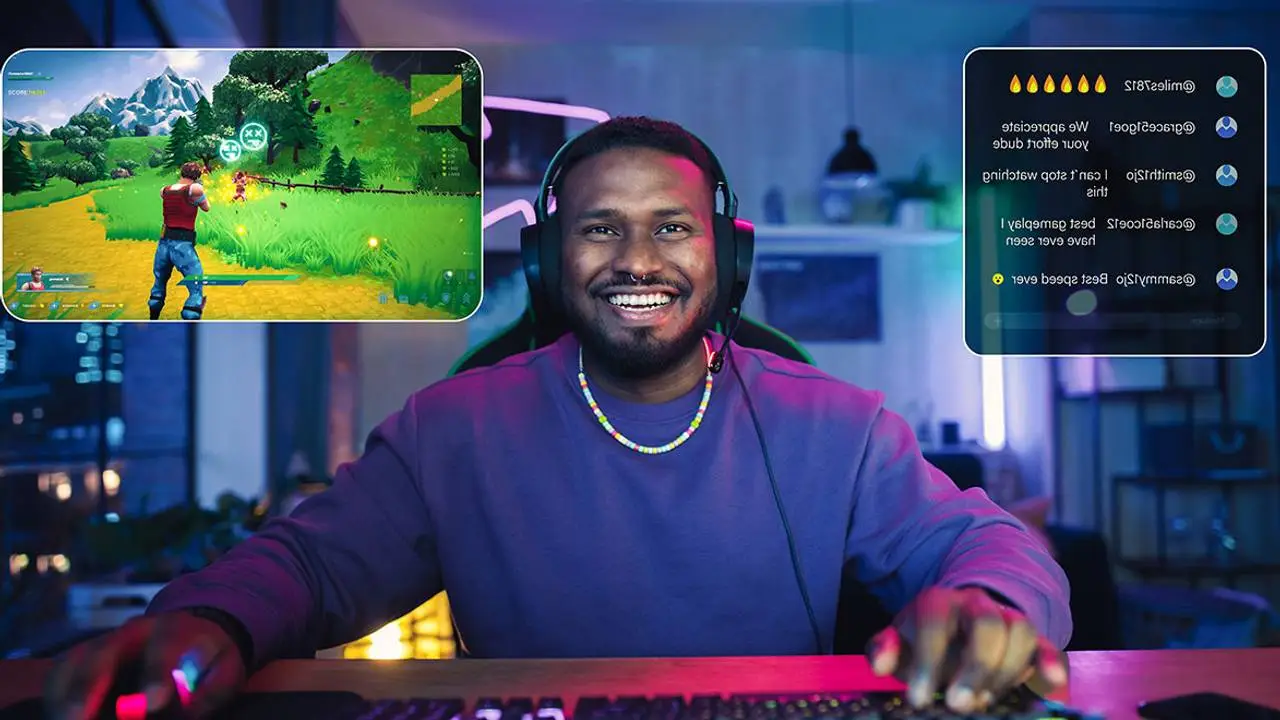
Platform selection becomes easier once you stop treating the live algorithm like a magic lottery. YouTube says its recommendation system follows viewer interests and satisfaction rather than simply favoring a particular format, while Search considers relevance and engagement.
Choose YouTube If Searchable Content Is Your Strength
YouTube is the better foundation if your streams naturally produce tutorials, reviews, guides, challenges, educational content, gaming walkthroughs, or commentary. These formats can continue attracting viewers through Search and recommendations after the broadcast ends. The platform also gives creators several monetization layers instead of forcing every revenue opportunity into the live session.
Choose Twitch If Personality Is the Product
Twitch becomes more compelling when viewers are coming primarily for you rather than a searchable topic. A funny personality, strong gaming community, interactive challenge, music performance, or recurring show can create a reason to return at a specific time. In that environment, subscriptions and community support become more meaningful because the audience is buying access to an ongoing shared experience.
Consider a Hybrid Strategy Later
You do not have to treat this as a permanent marriage to one platform. A creator can use YouTube for searchable long-form content and discovery, then use Twitch when the business model becomes heavily dependent on live community interaction. The smarter sequence is usually to master one content engine first, measure retention and revenue, then expand instead of splitting your attention from day one.
The Brutal Verdict
For most new creators, YouTube is the stronger starting point if the goal is building a content business that can compound over time. Twitch becomes the stronger choice when you already have a personality-led community and your viewers consistently value the live experience. In a real-world review, YouTube wins on content longevity and monetization variety, while Twitch wins on community depth and live-first economics.
The youtube vs twitch streaming decision therefore should not be reduced to who offers the biggest percentage. Choose YouTube if you want your content to keep working after the stream, choose Twitch if your strongest asset is the community that shows up while you are live, and consider both only after one platform has proven your format.
For creators trying to understand the difference between audience-led and broadcast-led streaming, this guide on community livestreams vs broadcast livestreams is a useful next read because the distinction affects both content strategy and audience behavior.


Paolo Sarmiento has worked as an entertainment editor, community moderator, and livestream reviewer for digital publications in Southeast Asia.
His coverage includes gaming broadcasts, music performances, talk shows, educational channels, and creator-led events. Rather than ranking content by viewer count alone, he also considers production consistency, audience trust, originality, accessibility, and the quality of community interaction.